


Two species to get full protection as CESA candidates
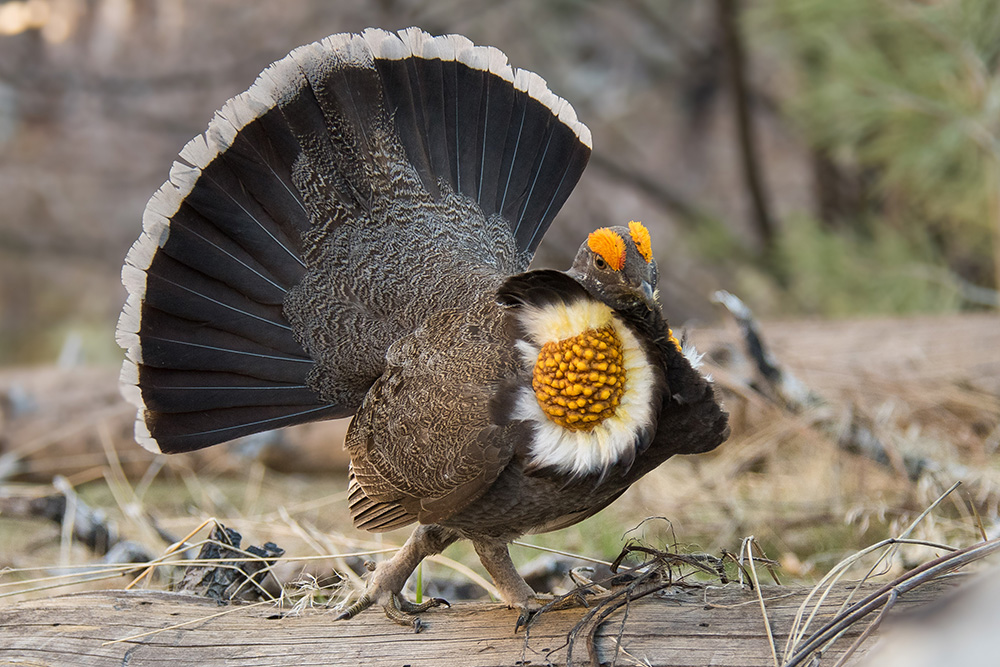
Mount Pinos sooty grouse
Used with permission from James Bland
https://biologicaldiversity.org/w/news/press-releases/mount-pinos-sooty-grouse-designated-candidate-for-california-endangered-status-2026-10-13/


The California Fish and Game Commission voted unanimously this month to designate the Mount Pinos sooty grouse and veiny monardella as candidate species under the California Endangered Species Act, or CESA.
Both species will receive full CESA protections while the California Department of Fish and Wildlife conducts a 12-month review to determine whether listing them as threatened or endangered is warranted.
The Mount Pinos sooty grouse is found in mountainous conifer forests across portions of Fresno, Tulare, Inyo, Kern and Ventura counties. Its habitat generally includes mature pine-fir forests at elevations between 6,000 and 10,000 feet.
The Center for Biological Diversity and Los Padres ForestWatch submitted the petition to list the species, identifying habitat degradation associated with timber harvesting, fire suppression and livestock grazing practices as primary threats to the Mount Pinos sooty grouse.
A separate federal petition for the grouse was filed with the U.S. Fish and Wildlife Service in 2024.
Farmers and ranchers operating within potential habitat areas are encouraged to contact their local CDFW regional office for guidance on applicable protections and agricultural activities.
Veiny monardella is a rare annual plant in the mint family. It occurs in grasslands and oak woodlands with clay-rich soils in Butte, Sutter, Tuolumne and Yuba counties. Only two existing populations are currently known, both on private property.
Landowners who encounter the plant should avoid disturbing it, document their observations and contact their local CDFW regional office to determine whether precautions or authorizations may be necessary for nearby agricultural activities.
Candidate status provides both species with legal protections during the review period, potentially affecting agricultural and land management activities in areas where they occur.

In this edition…
• View full issue
• Ag program aims to upskill farmworkers
• Immigration raids slow farm work in the Central Valley
• El programa agrícola busca mejorar las capacidades de los trabajadores agrícolas
• Cal Poly proposal jeopardizes its own farming roots
• Survey findings: High diesel prices threaten farm viability
• Expert talks illegal cannabis impacts on agriculture
• Two species to get full protection as CESA candidates
• Growers harvest short pistachio crop as costs mount
• The FELS Hotline: How to handle worker terminations
• Protect your land and crew: Call 811 before any digging
• A fresh twist on cider
• Recipes: Made to be shared
• The scenic route: Pit stops at California farms and ranches
• Bountiful Finds
• Fork-tender beef takes center stage to satisfy cravings
• Bottling the future
• How can fall citrus applications control overwintering pests?
• New Calrose rice variety has better milling quality