


Protect your land and crew: Call 811 before any digging
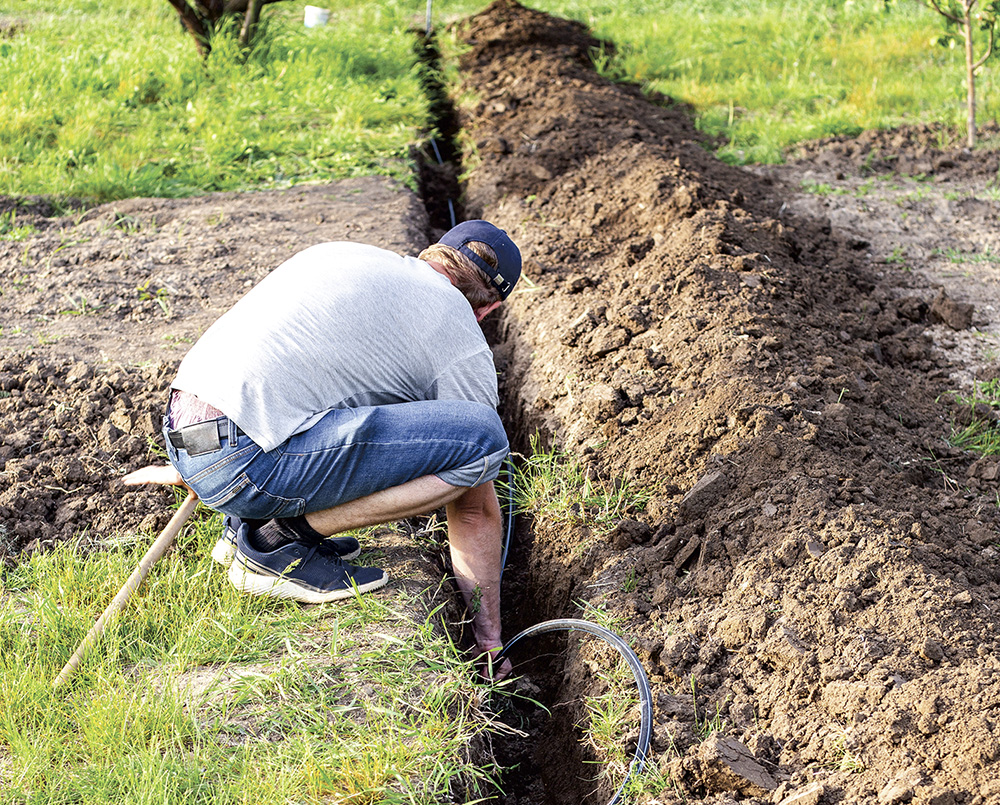
Proper trench preparation is key to installing irrigation lines safely. Call 811 before beginning any excavation work to prevent accidental damage to underground pipelines and power cables.


As spring planting, orchard renovation and infrastructure upgrades get into full swing across California, agricultural operations throughout the state are humming with intense activity. From the Imperial Valley up through the Central Valley and into the North Coast, growers are driving tractors, running deep rippers, installing subsurface drip irrigation lines, driving fence posts and clearing drainage ditches. In the fast-paced world of production agriculture, where weather windows are tight and operational deadlines are unforgiving, taking shortcuts may seem to be the only way to stay on schedule.
However, beneath those fertile fields, orchards and vineyards lies an unseen network of critical infrastructure: high-pressure natural gas pipelines, underground electric cables, fiber-optic communications and water delivery mains. Hitting one of these lines with a ripper, auger or backhoe isn’t just an expensive headache; it can be catastrophic.
To safeguard agricultural operations, protect farm crews and prevent costly operational disruptions, every California grower and operator should observe one simple rule before breaking ground: Call 811 or visit california811.org at least two working days before you dig.
Hidden risks below ground
Many farm operators assume that because they own the land—or have farmed the same acreage for decades—they know exactly what is under the soil. But soil conditions change over time. Decades of deep tillage, erosion, soil grading and natural settling can drastically alter soil depth above buried utilities. A natural gas line or electric wire that was buried 4 feet deep 30 years ago might now sit just 18 inches below the surface.
Furthermore, underground utilities don’t always run in straight lines between markers or utility poles. They curve around subterranean obstacles, branch off toward pump houses or follow historical rights of way that may no longer be visible aboveground.
Striking an underground utility carries immediate, high-stakes consequences:
• Safety hazards: Severe injury or death can result from electrocution, natural gas explosions or high-pressure gas releases.
• Financial liabilities: Equipment operators and landowners can be held financially responsible for repair costs, which frequently reach tens or hundreds of thousands of dollars, in addition to civil penalties under California law.
• Operational downtime: Damaging an underground power or gas line can shut down irrigation pumps, cold storage facilities, packinghouses and processing lines at the worst possible time.
• Community impact: Disrupting fiber-optic lines or regional power grids can cut off emergency communications and power for entire rural communities.
What qualifies as “digging”?
A common misconception among farmers and ranch managers is that 811 tickets are required only for major commercial construction or heavy excavation. In reality, California law defines excavation broadly.
Underground utility lines can be damaged by everyday agricultural activities, including:
• Subsoiling and deep ripping: breaking up hardpan or preparing soil for new orchards and vineyards.
• Installing irrigation systems: trenching for subsurface drip irrigation, mainlines or tile drainage.
• Fencing and trellising: driving T-posts, setting wooden fence posts or installing vineyard anchor posts.
• Building and landscaping: augering holes for barn posts, installing shade structures or building access roads.
• Grading and ditch clearing: regrading field borders, cleaning out irrigation canals or leveling ground.
• Stump removal: pulling trees, vines or deep roots near property borders or utility rights of way.
If the activity disturbs the soil, it requires a free ticket via 811.
How the 811 process works
Calling 811 or submitting a locate request online connects you to USA North 811 or Underground Service Alert of Southern California (DigAlert), depending on your region. The process is straightforward, completely free and designed to fit into your pre-operational planning.
1. Outline the dig area: Delineate the perimeter of your proposed work area using white spray paint, flour, stakes or white flags. This helps utility locators quickly identify where you intend to work.
2. Plan ahead: Contact 811 at least two full working days before you plan to begin any soil-disturbing work, excluding weekends and legal holidays.
3. Submit your request: Provide details about the location, depth and nature of your planned activity.
4. Wait for locators to mark the lines: Professional utility crews such as gas, electric, telecom and water providers will visit your site to mark underground facilities with high-visibility spray paint, flags or stakes at no charge to you.
5. Confirm and dig safely: Check your ticket status online to ensure all member utility companies have responded or marked their lines. Respect the marks, and use hand tools within the “tolerance zone”—24 inches on either side of the marked line—to expose the line before bringing in heavy machinery.
Understanding color codes
When utility locators mark your fields, they use a standardized national color code system. Here is a summary:
Red: electric power lines, cables, conduit and lighting cables.
Yellow: gas, oil, steam, petroleum or gaseous materials.
Orange: communication, alarm or signal lines, cables or conduit.
Blue: potable water.
Green: sewers and drain lines.
Purple: reclaimed water, irrigation and slurry lines.
White: proposed excavation area marked by the landowner or farmer.
Through public education programs and free 811 utility locating services, our utility providers demonstrate their ongoing commitment to agricultural safety, wildfire prevention and reliable energy delivery. By working together, agricultural producers and utility safety teams ensure that California agriculture remains productive and safe.
Make safety a daily routine
As you manage your daily field operations, make 811 an integral part of your safety checklist. Educate your equipment operators, farm labor contractors and family members on the importance of checking for utility markings before starting any soil-disturbing task.
Before you lower the ripper, drive a post or dig a trench this season, remember: Know what’s below. Call 811 before you dig. It’s fast, it’s free, and it’s the law.
For more information on safe digging practices, yard and orchard safety guidelines or to submit an online locate request, visit usanorth811.org.

In this edition…
• View full issue
• Ag program aims to upskill farmworkers
• Immigration raids slow farm work in the Central Valley
• El programa agrícola busca mejorar las capacidades de los trabajadores agrícolas
• Cal Poly proposal jeopardizes its own farming roots
• Survey findings: High diesel prices threaten farm viability
• Expert talks illegal cannabis impacts on agriculture
• Two species to get full protection as CESA candidates
• Growers harvest short pistachio crop as costs mount
• The FELS Hotline: How to handle worker terminations
• Protect your land and crew: Call 811 before any digging
• A fresh twist on cider
• Recipes: Made to be shared
• The scenic route: Pit stops at California farms and ranches
• Bountiful Finds
• Fork-tender beef takes center stage to satisfy cravings
• Bottling the future
• How can fall citrus applications control overwintering pests?
• New Calrose rice variety has better milling quality