


What are some tips for managing Asian citrus psyllid?
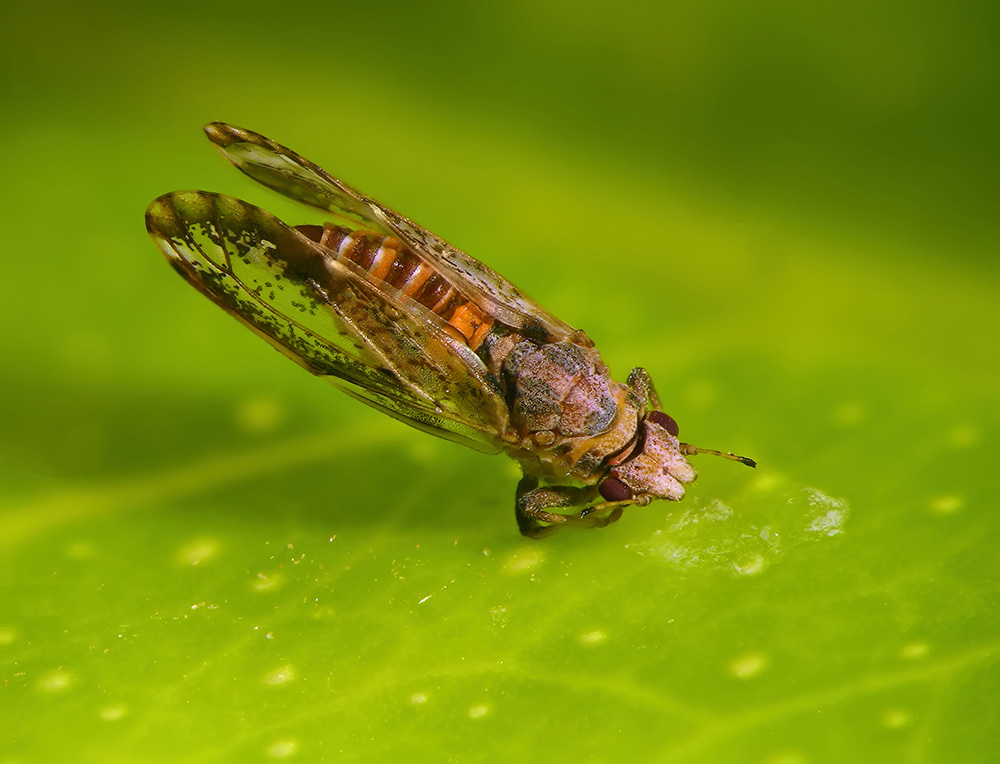
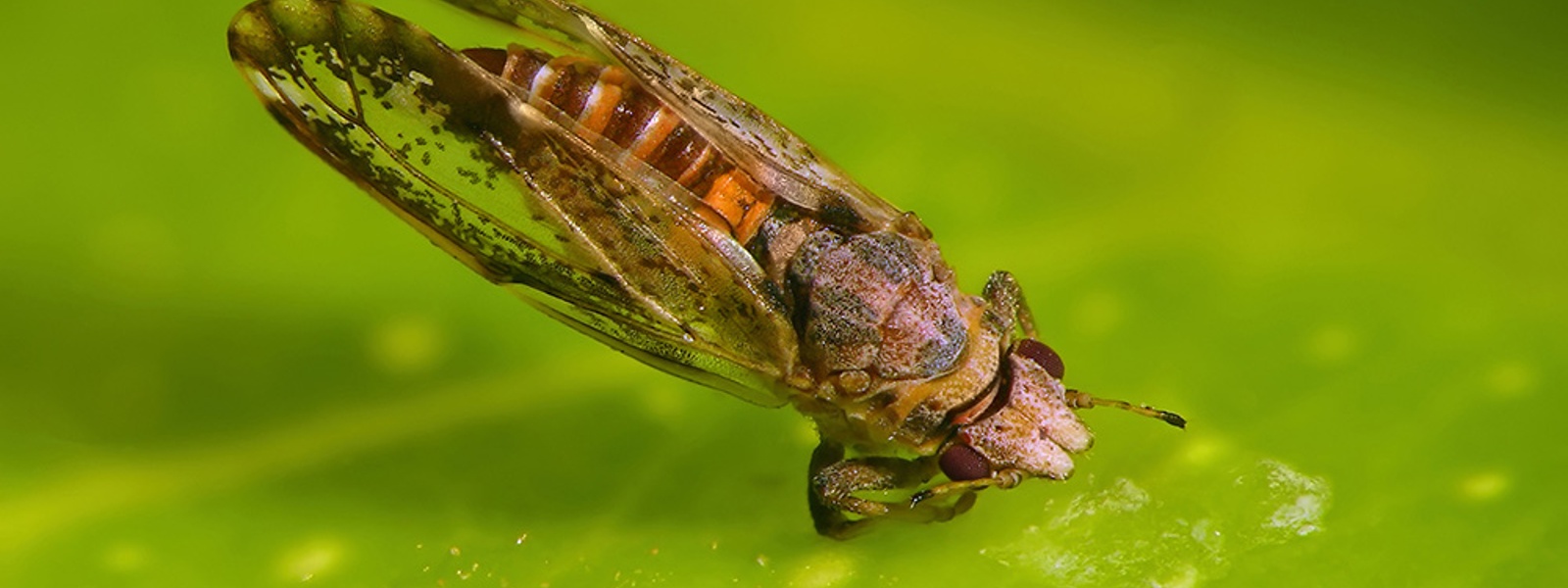
Asian citrus psyllid
Photo/Licensed image


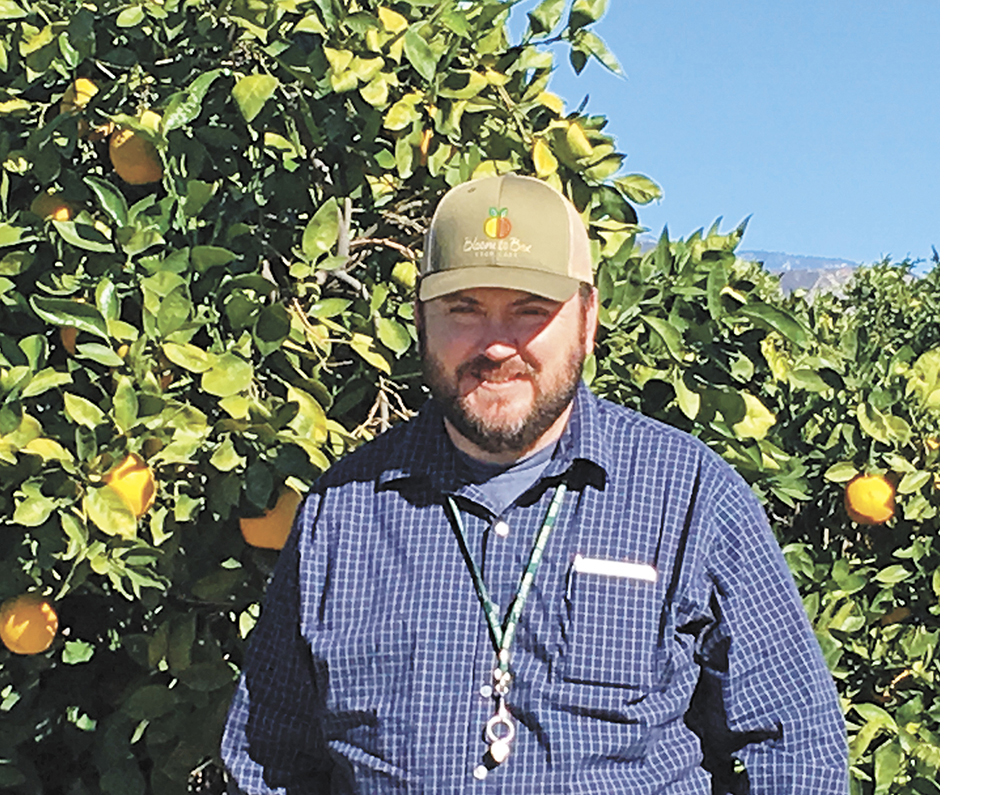
By Chris Boisseranc
Southwest Ag Consulting Inc., Redlands
Fungicide applications targeting Asian citrus psyllid, or ACP, are commonly made in Southern California and in parts of the southern San Joaquin Valley, especially Kern County, during the winter.
This timing works well because overwintering adults are highly susceptible, and the cold weather stops reproduction because there’s no new growth, or “flush,” for the insect to reproduce.
The result is an effective population bottleneck that knocks ACP numbers down to almost nothing in treated groves. It can take several months for the pest to rebound, and in some areas, populations don’t start to reappear until June or July.
Conventional growers rely on pyrethroids for winter ACP control, but they avoid using them during the growing season to prevent flare-ups of secondary pests such as mites and red scale.
Because broad-spectrum materials pose fewer risks in the colder months, winter is the safest window for their use, and applications are often coordinated with harvest. In most cases, ACP fungicide is added to an existing tank mix, minimizing extra passes and keeping additional costs limited to the material itself.
Organic growers also have several tools for managing ACP. Their primary option is pyrethrin, the naturally derived counterpart to synthetic pyrethroids. Extracted from flower alkaloids, pyrethrin is a natural, broad-spectrum material, making it a common choice for winter knockdown sprays. It also works well in tank mixes with winter fungicides such as copper used in organic systems, giving growers an effective and compatible option for ACP control.
ACP doesn’t tolerate extreme heat, and the bacterium it carries struggles in those conditions as well. As a result, ACP populations in the desert regions stay extremely low year-round—often nearly undetectable.
Even so, coordinated sprays are still carried out in January to further suppress any ACP that might be present. Imperial County has also deployed trained detection dogs to identify ACP in mostly residential areas.
The latest news from AgAlert.com
- Douglass heralds 'bright future' for farms
- California Farm Bureau updates group's policies
- Empowering leaders safeguards agriculture's future
- Thank you to our 2025 Annual Meeting sponsors
- Young farmers and ranchers urged to be industry's voice
- From the Fields: Kevin Herman, Fresno, Madera and Merced tree crop farmer
- From the Fields: Andrew Forchini, Sonoma County winegrape grower and sheep rancher
- From the Fields: By Jim Morris, Siskiyou County rancher and farmer
- From the Fields: Stephen Vasquez, Tulare County Certified Crop Adviser
- Almond conference puts focus on 'healthier future'
- Farm Bureau philanthropic effort supports local youths
- Farm Bureau invites members to participate in 2026 Commodity Advisory Committee meetings beginning in January
- Marin County ranch honored with top conservation prize
- Hemp producers weigh potential fallout of new law
- What are some tips for managing Asian citrus psyllid?
- One aspect of soil health
- Advocates request relief for specialty crop growers
- Dairy producers reject effort to end state milk pool quota
- Strategies to position your small farm for the future
- Farm Bureau aid open to students seeking ag careers
- Webinar series aims to help farms transition to organic






.svg.png)
